
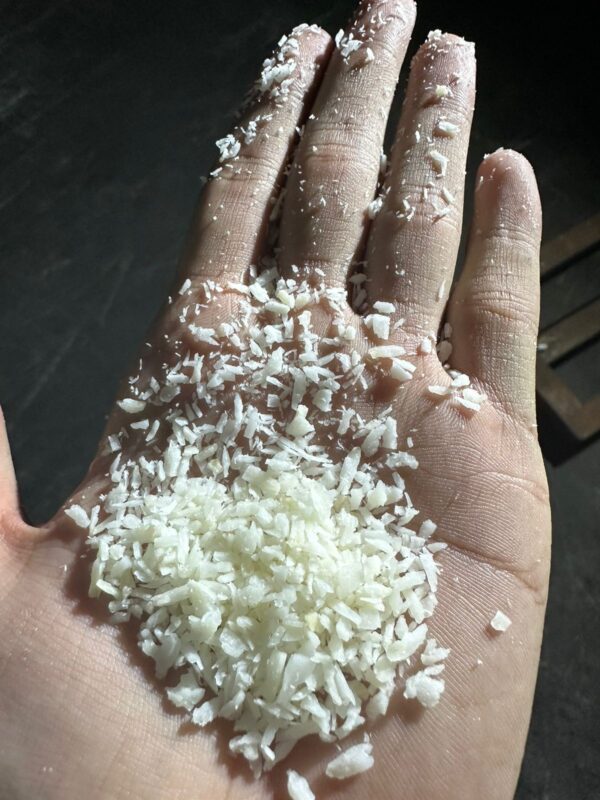
For food manufacturers, importers, wholesalers, and distributors, choosing the right Manufacturer Desiccated Coconut is about much more than securing a steady supply. The production process directly influences product consistency, food safety, flavor, texture, and overall performance in food applications. Even small variations in manufacturing can affect the quality of finished products, making it essential to understand how professional manufacturers maintain high production standards.
Indonesia is one of the world’s leading producers of coconuts and has developed a strong manufacturing sector for coconut-based ingredients. Experienced manufacturers combine quality raw materials with standardized production processes to deliver desiccated coconut that meets the expectations of international buyers.
This guide explains how production methods contribute to product quality and what buyers should look for when selecting a desiccated coconut manufacturer.
Why Production Quality Matters
A reliable Manufacturer Desiccated Coconut follows standardized production procedures that help maintain consistency from one batch to another. Food manufacturers depend on stable ingredient quality to ensure their own products meet customer expectations.
High-quality production offers several advantages:
- Consistent texture
- Uniform color
- Natural coconut flavor
- Stable moisture levels
- Reliable product performance
- Better shelf stability
Without proper production control, product variations can lead to manufacturing inefficiencies and inconsistent finished products.
The Journey Begins with Fresh Coconuts
Quality starts long before processing begins. Fresh, mature coconuts provide the foundation for premium desiccated coconut.
Manufacturers typically evaluate raw materials based on:
- Maturity
- Freshness
- Cleanliness
- Physical condition
Selecting suitable coconuts helps ensure better flavor, texture, and processing performance throughout production.
Step 1: Cleaning and Preparation
After harvesting, coconuts undergo careful preparation before processing.
This stage commonly includes:
- Removing the outer husk
- Removing the shell
- Peeling the brown testa when required
- Washing the coconut meat thoroughly
Proper cleaning helps remove impurities while preparing the raw material for food-grade processing.
Maintaining hygienic handling practices at this stage contributes significantly to overall product quality.
Step 2: Grinding the Coconut Meat
Once cleaned, the coconut meat is grated or shredded using specialized processing equipment.
The grinding stage determines the foundation for the final particle size.
Manufacturers adjust processing parameters depending on whether the finished product requires:
- Fine grade
- Medium grade
- Coarse grade
Uniform grinding supports consistent product appearance and improves processing efficiency during later stages.
Step 3: Controlled Drying
Drying is one of the most critical stages in producing desiccated coconut.
Its objectives include:
- Reducing moisture content
- Preserving natural flavor
- Improving storage stability
- Supporting food safety
Professional manufacturers carefully monitor drying conditions to achieve consistent results while maintaining the product’s natural characteristics.
Improper drying can negatively affect product quality, shelf life, and overall performance.
Step 4: Sieving and Product Grading
After drying, the product passes through grading systems that separate particles according to size.
Common grades include:
Fine Grade
Suitable for:
- Cakes
- Cookies
- Chocolate coatings
- Dessert fillings
Medium Grade
Often used for:
- Bakery products
- Snack foods
- General food manufacturing
Coarse Grade
Preferred for:
- Decorative toppings
- Premium baked goods
- Granola
- Specialty confectionery
Accurate grading allows manufacturers to supply products that meet different industrial requirements.
Step 5: Quality Inspection
Quality assurance is not limited to the end of production. Professional manufacturers perform inspections throughout the manufacturing process.
Typical quality checks include:
- Raw material evaluation
- Moisture monitoring
- Particle size verification
- Color consistency
- Product cleanliness
- Packaging inspection
Continuous monitoring helps maintain product consistency across production batches.
Food Safety Throughout Production
Food safety is an essential component of modern manufacturing.
Professional manufacturers implement systems designed to minimize contamination risks and maintain hygienic production environments.
Common food safety practices include:
- Good Manufacturing Practices (GMP)
- Hygienic handling procedures
- Equipment sanitation
- Controlled production environments
- Product traceability
These practices support both regulatory compliance and customer confidence.
International buyers can refer to the Codex Alimentarius Commission for globally recognized food standards jointly developed by the Food and Agriculture Organization (FAO) and the World Health Organization (WHO).
How Manufacturers Maintain Product Consistency
Consistency is one of the most valuable qualities buyers expect from a supplier.
Professional manufacturers achieve consistency through standardized operating procedures.
Standardized Raw Material Selection
Using defined selection criteria helps reduce variation in incoming coconuts.
Controlled Production Parameters
Manufacturers monitor production variables throughout processing to maintain stable product quality.
Routine Quality Testing
Regular inspections verify that products meet established specifications before shipment.
These combined practices help maintain reliable product performance over time.
Packaging Protects Product Quality
Production quality does not end once manufacturing is complete.
Proper packaging helps preserve product integrity during storage and transportation.
Quality packaging should protect against:
- Moisture
- Physical damage
- Contamination
- Environmental exposure
Manufacturers should also provide storage recommendations that help buyers maintain product quality after delivery.
Questions Buyers Should Ask Manufacturers
Before choosing a supplier, buyers should evaluate manufacturing capability carefully.
Useful questions include:
- How are raw materials selected?
- What quality control procedures are used?
- How is moisture monitored?
- What particle sizes are available?
- How is food safety maintained?
- What packaging options are offered?
The answers provide valuable insight into the manufacturer’s production standards.
Common Production Challenges
Every manufacturing process requires careful management to achieve consistent quality.
Professional manufacturers continually monitor production to reduce risks such as:
Raw Material Variability
Natural agricultural products can vary in quality.
Careful selection helps maintain consistency.
Moisture Control
Excess moisture may reduce product stability.
Controlled drying helps achieve appropriate moisture levels.
Process Consistency
Standardized procedures help ensure each production batch meets established specifications.
Why Manufacturing Expertise Matters
Experience allows manufacturers to improve production efficiency while maintaining product quality.
Experienced companies typically have:
- Established production systems
- Skilled personnel
- Organized quality management
- Export experience
- Technical product knowledge
These capabilities contribute to long-term supplier reliability.
To better understand manufacturing standards, read our guide on Desiccated Coconut Manufacturer Quality Standards.
You can also explore our detailed explanation of the Desiccated Coconut Production Process to learn more about each manufacturing stage.
Choosing a Reliable Manufacturer Desiccated Coconut
Selecting the right Manufacturer Desiccated Coconut requires evaluating far more than product specifications alone. Buyers should consider raw material selection, production methods, quality control systems, food safety practices, and manufacturing experience. A well-managed production process helps ensure consistent quality, reliable supply, and long-term business success.
Amerta Coco supplies Indonesian coconut products for international markets with a commitment to responsible manufacturing, quality management, and dependable customer service. Visit the Amerta Coco official website to explore our coconut product portfolio and learn more about sourcing solutions for your business.
